
What’s In This Guide
Exterior metal can look ready for paint while still hiding the problems that cause early peeling, bubbling, or rust. Good metal paint preparation creates a clean, stable surface so primer and finish coats can bond properly.
For Southbury homeowners, this matters on railings, doors, trim, flashing, fences, and other painted metal exposed to moisture and changing weather. The right preparation depends on the metal, its existing coating, and the amount of corrosion present.
Quick Facts
- Rust, loose paint, dirt, and oxidation can weaken coating adhesion.
- Preparing metal for paint usually requires cleaning, removing unstable material, and creating a sound surface for primer.
- Bare or rust-prone metal often needs a compatible primer before finish paint.
- Previously painted metal should be checked for coating failure before repainting.
- Homes built before 1978 may require lead-safe precautions when old paint is disturbed.
Why Metal Paint Preparation Matters
Paint bonds best to clean, dry, stable surfaces. Unaddressed rust or loose paint on exterior metal will weaken new coatings. Similar prep principles apply when deck staining contractors inspect exterior wood, though each material needs unique care to ensure proper adhesion.
Removing contaminants and deteriorated material helps achieve the surface condition required by a coating system. In practical terms, preparation is not cosmetic. It helps determine whether the coating has a dependable base.
How to Prepare Exterior Metal for Painting
1. Inspect the Metal and Existing Coating
Look for rust, flaking paint, chalking, grease, failed caulk, and areas where water collects. Determine whether the surface is bare metal, factory-finished metal, or previously painted metal. Different substrates and coatings may require different products.
2. Clean the Surface
Remove dirt, oils, salts, mildew, and other contaminants that can interfere with adhesion. Let the surface dry fully before sanding, priming, or painting.
3. Remove Rust and Failing Paint
Scraping, wire brushing, sanding, or other appropriate methods can remove loose coatings and corrosion. The goal is to leave firmly bonded paint with smooth, stable edges and a sound surface, not simply hide rust under another coat.
4. Sand and Feather Sound Paint
When preparing painted metal for painting, smooth rough transitions between bare areas and firmly bonded paint. Scuffing glossy coatings can also improve adhesion when the coating manufacturer calls for it.
5. Prime Where Required
Match the primer to the metal and topcoat. Bare ferrous metal needs corrosion-resistant primer, while nonferrous metal requires specific formulas. Knowing when to apply primer over existing paint helps clarify if spot priming or full preparation is needed. Follow manufacturer guidelines for best results.
6. Apply the Finish Coating Under Suitable Conditions
Temperature and humidity affect paint application. Reviewing the minimum temperature for exterior painting in Southbury helps plan around ideal weather. Follow product recoat guidelines, especially for metal that quickly heats in sun or collects condensation when cold.
Preparing Painted Metal for Painting: What Changes?
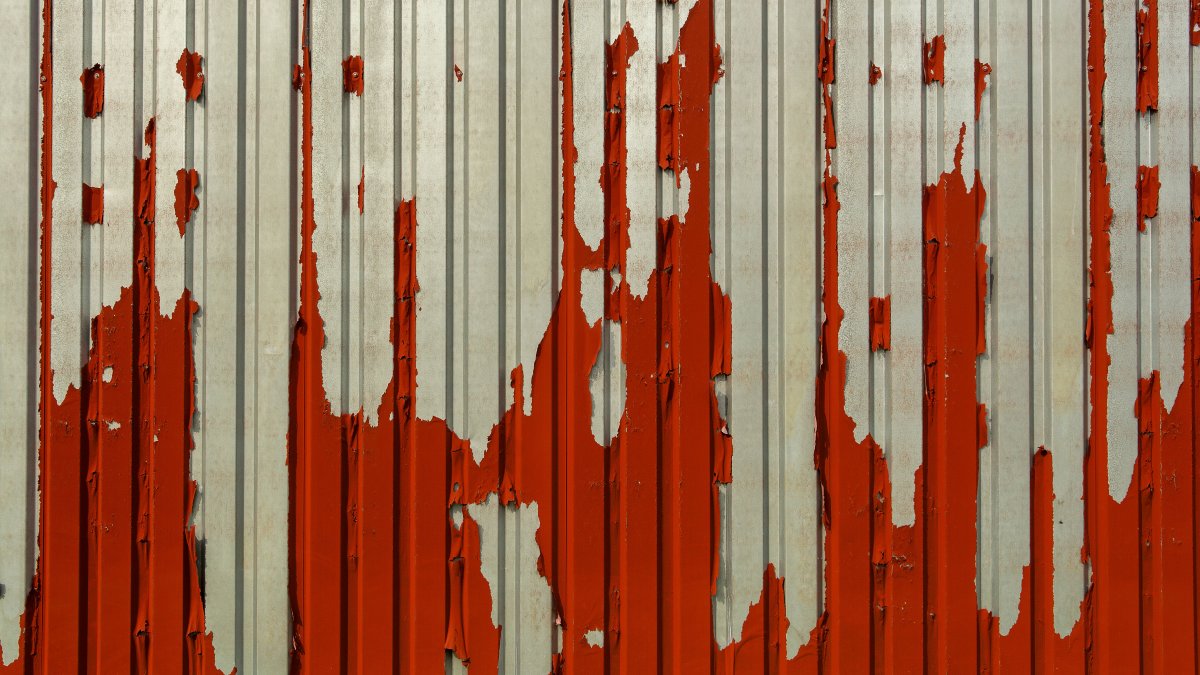
Repainting intact metal differs from painting rusty or bare metal. Sound finishes mainly require cleaning, dulling gloss, spot-priming bare spots, and applying a topcoat. Proper surface preparation is also critical when preparing walls for painting after wallpaper removal.
If large sections are peeling or rusting, more extensive removal may be necessary. Painting over a failing layer does not restore that layer’s bond to the substrate.
A Safety Note for Older Southbury Homes
If a home was built before 1978, disturbing painted surfaces can create lead hazards. The U.S. Environmental Protection Agency states that renovation work that disturbs lead-based paint in pre-1978 homes must follow specific lead-safe requirements when covered by the Renovation, Repair and Painting Rule. Homeowners should avoid aggressive sanding or scraping until the coating and applicable safety requirements are understood.
Frequently Asked Questions
Can exterior metal be painted if it has small pits from rust?
Sometimes. Minor pitting may still be paintable if loose corrosion is removed and the remaining metal is stable. Deeper corrosion, perforation, or significant metal loss may require repair or replacement before coating.
How soon can exterior metal be painted after cleaning?
The surface should be fully dry and within the coating manufacturer’s application conditions before primer or paint is applied. Drying time can vary with temperature, humidity, shade, and the cleaning method used.
Can galvanized metal be painted with regular exterior paint?
Not always. Galvanized metal can require specific surface preparation and a compatible primer or coating system. Using a product that is not intended for galvanized surfaces can lead to poor adhesion.
Should caulked joints on exterior metal be repaired before painting?
Yes, when failed sealant or open joints are part of the painted assembly. Deteriorated caulk should be evaluated and replaced with a compatible exterior sealant before final coating when appropriate.
Can previously painted metal be pressure washed before repainting?
It can be, but the method and pressure should match the condition of the coating and substrate. Excessive pressure can force water into joints or remove material that should instead be assessed and prepared more carefully.
Plan Your Exterior Metal Painting Project
Durable exterior metal painting starts before the finish coat. Whether you need metal painters near you or plan to DIY, Southbury House Painting Experts can assess painted exterior surfaces, identify preparation needs, and recommend the right coating approach. For homeowners scheduling interior work, knowing how to prepare rooms before residential painters arrive helps keep projects organized and minimizes disruption.
Get a free estimate to discuss your exterior painting project in Southbury, CT.
Related Posts