

Preparing rooms before painters arrive helps protect belongings, reduce delays, and keep the project moving smoothly. For Southbury homeowners planning an interior repaint or whole-home painting project, proper preparation also helps homeowners evaluate whether local residential painters have a professional and organized process.
Experienced painting crews typically provide clear preparation instructions before work begins. Understanding what homeowners should handle can make the project smoother from start to finish.
What’s In This Guide
- What Homeowners Should Expect From Professional Residential Painters
- How to Prepare Rooms Before Residential Painters Arrive
- What Homeowners Should Not Handle Themselves
- How Preparation Differs for Whole-Home Painting Projects
- Signs Residential Painting Contractors Are Prepared and Professional
- How Homeowners Can Reduce Delays During Residential Painting Projects
- Quick Room Preparation Checklist
- Frequently Asked Questions (FAQs)
- Prepare Your Home Properly Before Painting Begins
Quick Facts
- Proper preparation helps painting projects run smoothly.
- Remove valuables, wall decor, and small furniture before painters arrive.
- Professional painters should provide clear prep instructions and timelines.
- Older homes may require lead-safe painting precautions.
- Whole-home projects need organized scheduling and protection plans.
What Homeowners Should Expect From Professional Residential Painters
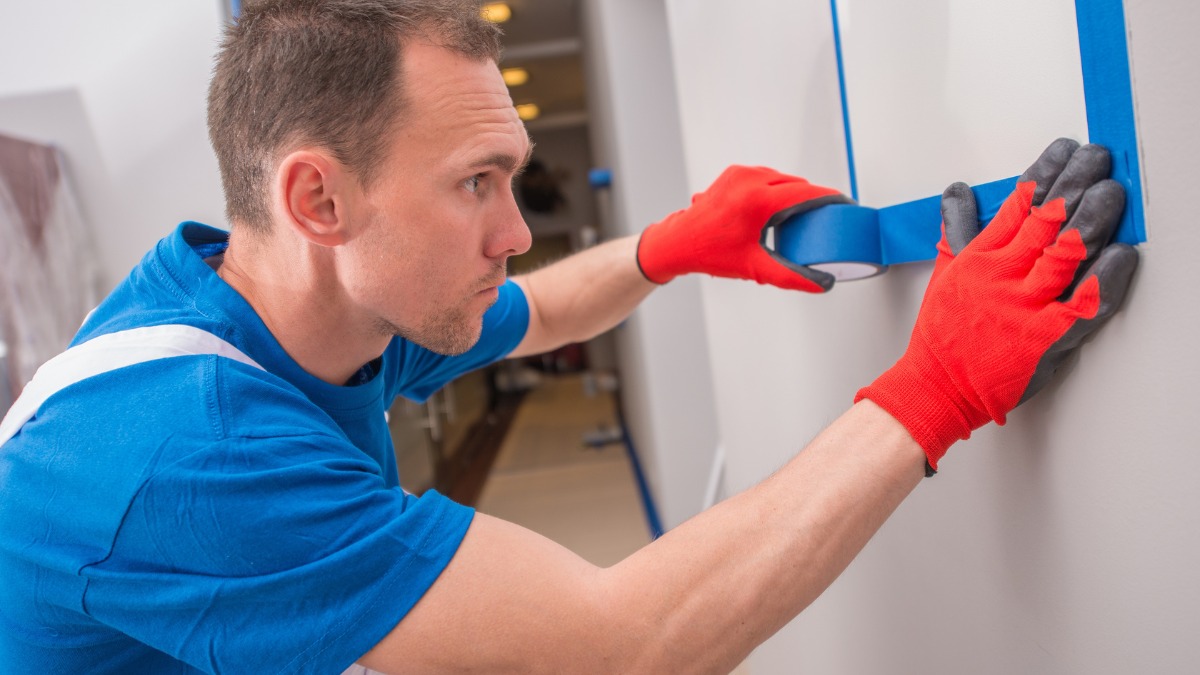
Professional residential painting contractors should begin with a walkthrough of the home before the project starts. This allows the crew to inspect walls, trim, ceilings, repairs, paint colors, furniture placement, and access points.
Homeowners should also expect:
- A written project scope and timeline
- Instructions for moving furniture or personal belongings
- Surface preparation plans
- Floor and furniture protection methods
- Communication about ventilation and drying times
When researching residential painters near me, homeowners should look for companies that explain these preparation steps clearly before work begins.
How to Prepare Rooms Before Residential Painters Arrive
Step 1: Remove Small Items and Wall Decor
Before painters arrive, remove:
- Picture frames
- Mirrors
- Shelf decor
- Lamps
- Small electronics
- Curtains or drapes, if requested
Clearing walls and surfaces gives painters safe access to edges, trim, and ceilings while reducing the chance of accidental damage.
Step 2: Move Furniture Away From Walls
Large furniture should typically be moved several feet away from the walls. Some house painting contractors may help reposition heavier items, but homeowners should confirm responsibilities beforehand.
Avoid dragging furniture across hardwood or tile floors without protection. Use furniture sliders when possible.
Step 3: Protect Fragile or Valuable Items
Painting crews need room to move throughout the space. Store valuables and fragile items in a separate room or temporary storage area.
This includes:
- Jewelry
- Important documents
- Heirlooms
- Breakable decor
- Children’s toys or electronics
Removing these items beforehand helps reduce the risk of damage and keeps the work area clear.
Step 4: Clear Closets, Built-Ins, and Cabinets if Needed
If closets, shelves, or cabinetry are included in the project scope, clear them before painting day.
For larger projects:
- Label storage bins by room
- Keep essentials accessible
- Separate frequently used items
This reduces interruptions once the project begins.
Step 5: Plan for Pets, Children, and Daily Activities
Interior painting can temporarily limit room access. Homeowners should plan for:
- Pet safety
- Child access restrictions
- Temporary sleeping arrangements if bedrooms are painted
- Kitchen or bathroom scheduling during whole-home projects
Professional residential painting contractors usually explain which rooms will be unavailable during each project phase.
What Homeowners Should Not Handle Themselves

Some preparation tasks should be handled by trained painters, especially when surfaces are damaged or older paint may be present.
Homeowners should avoid:
- Aggressive sanding
- Scraping deteriorating paint
- Using chemical paint removers
- Repairing damaged drywall without guidance
This is especially important in older Southbury homes. According to the EPA, homes built before 1978 may contain lead-based paint. Disturbing these surfaces improperly can release hazardous lead dust into the home.
MORE ON THIS TOPIC: Eco-Friendly Painting for Healthier Homes: Low-VOC, Natural & Bio-Based Paints Explained
How Preparation Differs for Whole-Home Painting Projects
Whole-home painting projects require more coordination than single-room updates. Organized local residential painters typically divide the project into phases to reduce disruption.
This often includes:
- Room-by-room scheduling
- Temporary furniture staging areas
- Daily cleanup procedures
- Floor protection in hallways and entryways
- Paint color confirmation by room
Homeowners should also confirm:
- Parking access
- Entry instructions
- Bathroom availability
- Work hours and daily communication expectations
Well-structured planning is often a sign that a painting company is experienced with larger residential projects.
Signs Residential Painting Contractors Are Prepared and Professional
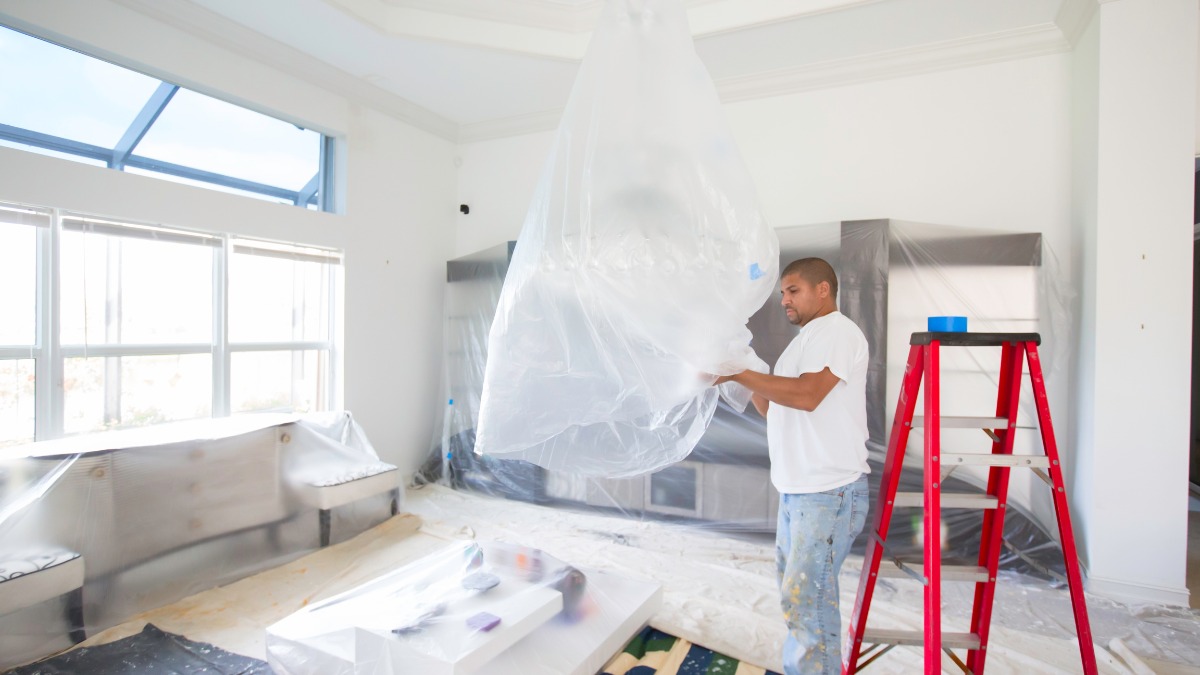
Homeowners comparing residential painters near me should pay attention to how companies discuss preparation and project management.
Professional painters typically:
- Ask detailed questions about the home
- Confirm the age and condition of surfaces
- Explain prep responsibilities clearly
- Discuss ventilation and drying times
- Provide written estimates and schedules
- Outline cleanup procedures
Companies that avoid preparation discussions or provide vague timelines may struggle with larger residential projects.
Preparation planning is often one of the clearest indicators of professionalism in residential painting.
How Homeowners Can Reduce Delays During Residential Painting Projects
Confirm Room Access Before Painting Day
Before painters arrive, homeowners should identify:
- Which entrances should crews use
- Where supplies can be staged
- Which rooms will be painted first
- Areas that should remain off-limits
This helps reduce unnecessary interruptions once the project starts.
Keep Communication Clear Throughout the Project
Professional residential painting contractors usually provide daily updates during multi-room projects. Homeowners should confirm:
- Start and end times
- Parking instructions
- Alarm or security system details
- Preferred communication methods
Clear communication reduces scheduling confusion and helps projects move efficiently.
Prepare for Drying and Curing Time
Fresh paint may feel dry within hours, but complete curing can take longer depending on humidity, airflow, and paint type. Homeowners should avoid moving furniture back too quickly or placing heavy items against freshly painted walls.
Quick Room Preparation Checklist
Before painting day:
- Remove wall decor
- Clear shelves and tabletops
- Move furniture away from walls
- Store fragile belongings safely
- Confirm paint colors
- Label storage bins by room
- Keep pets and children away from work zones
- Ask painters which items they will move or protect
- Confirm access and scheduling details
Frequently Asked Questions (FAQs)
Do I need to move all furniture before painters arrive?
Usually not. Many residential painting contractors help reposition large furniture, but homeowners should remove smaller items and valuables beforehand.
Should walls be cleaned before painting?
Light dust removal can help, but professional painters should determine whether deeper surface cleaning, sanding, or priming is necessary.
What if my Southbury home was built before 1978?
Older homes may contain lead-based paint. Homeowners should ask painters about EPA lead-safe practices before sanding or disturbing painted surfaces.
How can I tell if house painting contractors are experienced with whole-home projects?
Look for written timelines, room-by-room scheduling, clear prep instructions, and detailed walkthroughs before work begins.
Should I stay home during interior painting?
That depends on project size, ventilation needs, and room access. Many homeowners remain home during smaller projects but may adjust schedules during larger, whole-home work.
Prepare Your Home Properly Before Painting Begins
Preparing rooms before painting day helps protect your belongings, improves workflow, and reduces unnecessary delays during the project.
For homeowners planning an interior repaint or whole-home project, Southbury House Painting Experts can help explain what to prepare before painting begins.