
What’s in This Guide
When Wallpaper Removal and Repainting Belong in the Same Project
How a Coordinated Wallpaper Removal and Painting Project Works
Older Homes Need an Extra Safety Check
What to Ask Before Hiring Wallpaper Contractors
Plan Your Wallpaper Removal and Painting Project
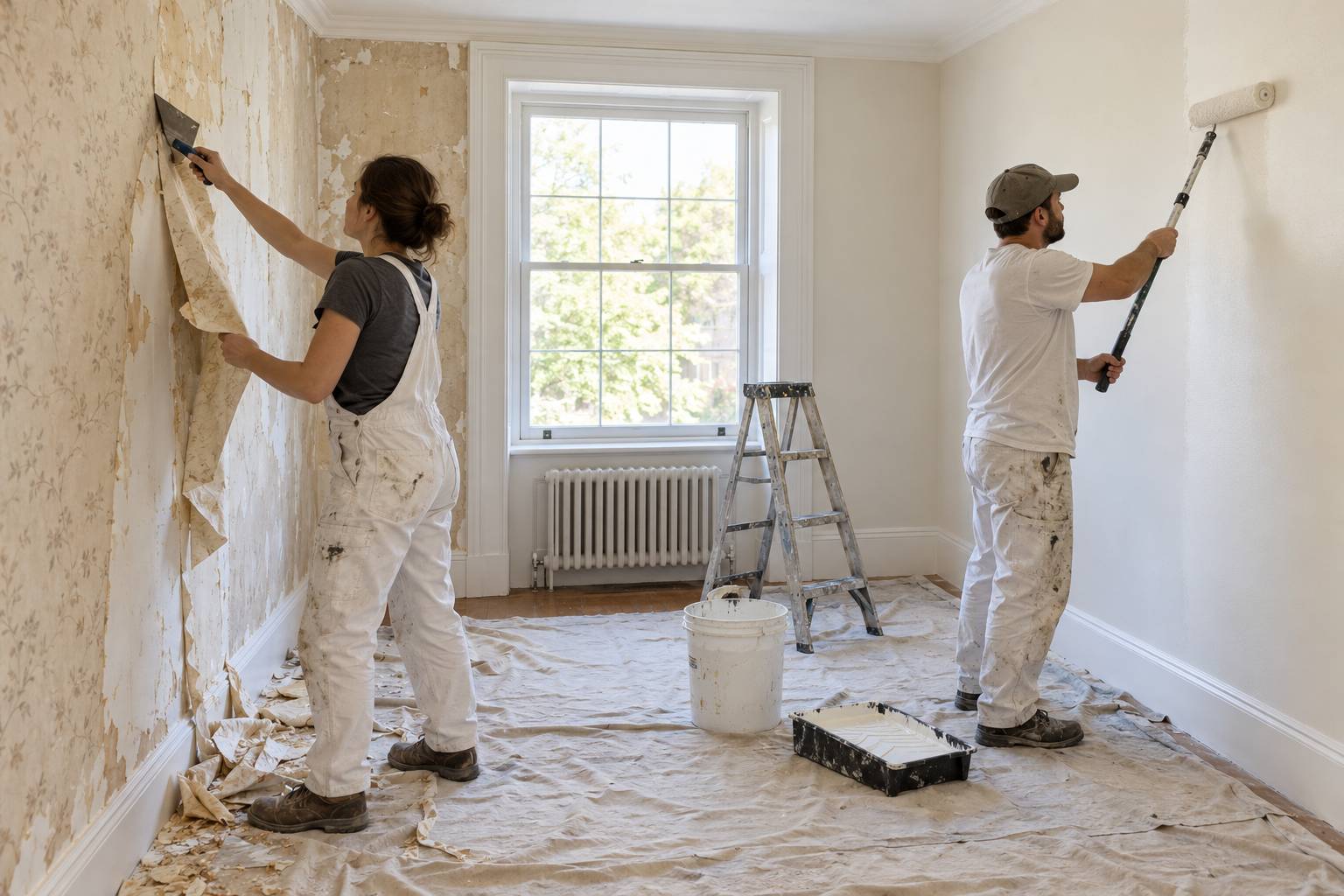
Removing wallpaper is often only the first step toward a clean, professionally painted wall. Once old wallpaper comes down, homeowners may discover adhesive residue, torn drywall paper, cracks, uneven plaster, or previous repairs that need attention before new paint can be applied.
For Southbury homeowners searching for wallpaper removal and painting services nearby, choosing a contractor who can handle removal, wall repair, surface preparation, priming, and repainting as one coordinated project can help prevent visible imperfections and inconsistent finishes.
Quick Facts
- Wallpaper removal and painting often work best as one coordinated project because removal can reveal hidden wall damage.
- Old adhesive must be removed or properly addressed before repairs, primer, and finish paint go on.
- Drywall tears, dents, seams, and plaster cracks should be repaired and smoothed before repainting.
- Primer helps create a more uniform surface after patching and can reduce visible differences between repaired and unrepaired areas.
- Homeowners should ask for an estimate that clearly separates removal, wall repair, surface preparation, priming, painting, and cleanup.
When Wallpaper Removal and Repainting Belong in the Same Project
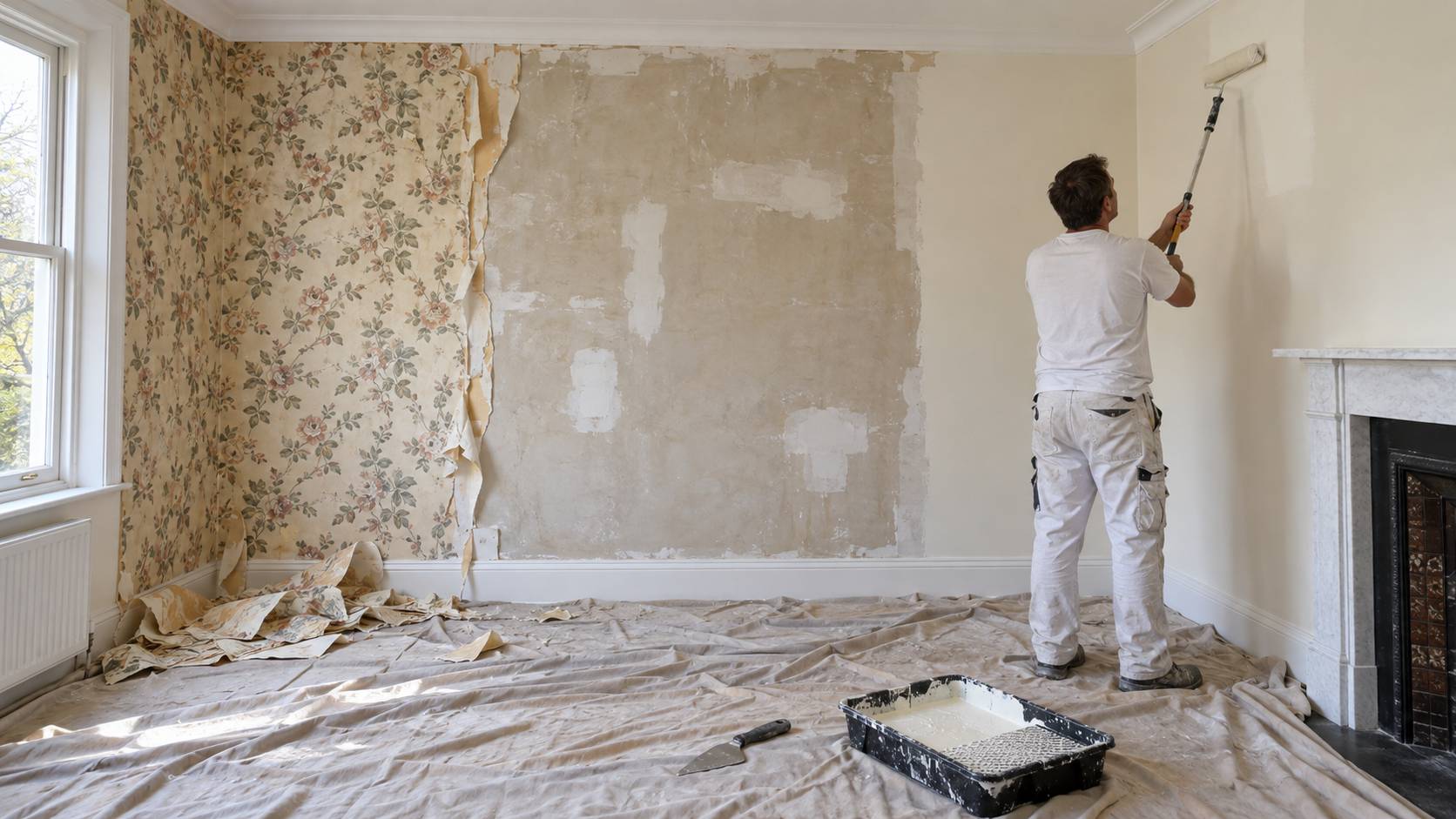
Wallpaper can hide more than an outdated pattern. Once it comes down, contractors may find dried paste, torn drywall face paper, old patches, hairline plaster cracks, uneven seams, or areas that need more extensive repair. Painting over those problems does not make them disappear. In some cases, a new finish can make surface defects easier to notice.
For Southbury homeowners searching for “wallpaper removal and painting services near me,” the practical question is not just who can strip the paper. It is who can evaluate the wall underneath and carry the surface through repair, priming, and repainting without leaving gaps between trades.
How a Coordinated Wallpaper Removal and Painting Project Works
1. Evaluate the Wallpaper and Wall Surface
A contractor should first identify the wall type, wallpaper condition, number of layers, visible seams, prior repairs, and any signs of moisture or loose plaster. This helps define whether the project is mainly removal and repainting or whether wall restoration will be a significant part of the scope.
2. Remove the Wallpaper Without Treating the Wall as Disposable
Removal methods vary because wallpaper, paste, drywall, and plaster respond differently to moisture and scraping. The goal is to remove the covering while limiting unnecessary gouges, torn paper, and substrate damage. Existing defects may still become visible once the wall is exposed.
3. Deal With Adhesive Residue
Remaining paste can interfere with the next stages if the wall is not properly cleaned and prepared. A professional scope should include inspection for residue rather than assuming the surface is paint-ready as soon as the wallpaper is gone.
4. Repair and Smooth Drywall or Plaster
After wallpaper removal, some walls may need repairs before painting can begin. This can include fixing damaged areas, smoothing uneven surfaces, or addressing cracks and other imperfections that become visible once the wallpaper is removed.
The goal is to create a clean, even surface so the primer and paint can be applied more consistently. Proper wall preparation can also help reduce the appearance of bumps, patches, and other flaws in the finished surface.
5. Prime the Repaired Surface
Primer is often an important step after substantial wall repair. After patching or skim coating, primer helps create a more uniform base and reduces differences in absorption between repaired areas and the surrounding wall, which can help the finish coat look more consistent.
6. Repaint the Wall as a Complete Surface
Once repairs are dry, smooth, and primed, the wall can receive its finish coats. Repainting the full wall, rather than touching up isolated patches, can help avoid obvious changes in sheen or texture across repaired areas.
Older Homes Need an Extra Safety Check
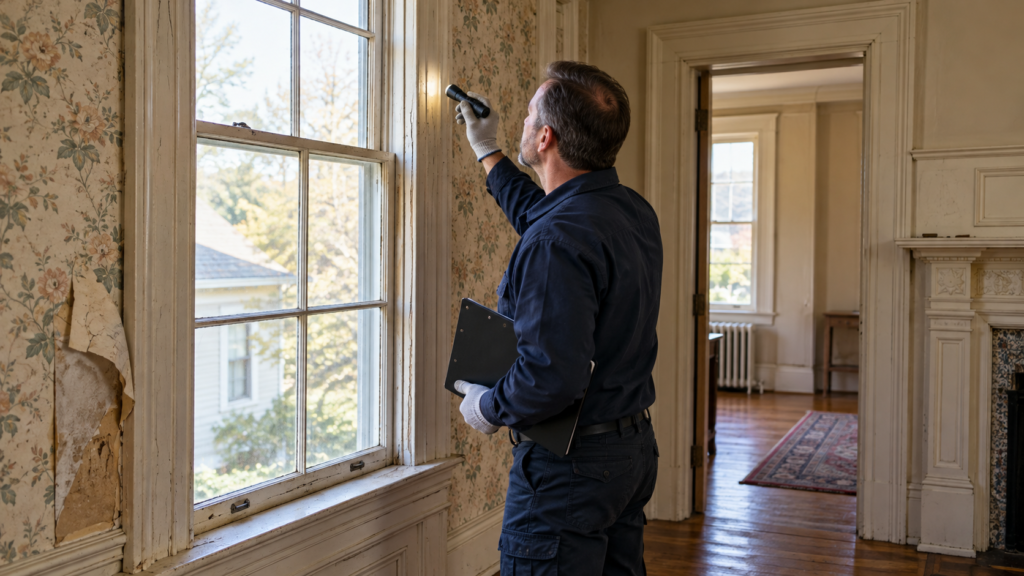
Southbury includes older housing, so wall disturbance may require lead-safe planning. The U.S. Environmental Protection Agency reports that 87% of homes built before 1940 and 24% of homes built between 1960 and 1978 have some lead-based paint. EPA lead guidance recommends appropriate precautions in pre-1978 homes and notes that certified professionals can test for lead-based paint.
If wallpaper removal may disturb painted layers underneath, discuss the home's age and lead-safety requirements before work begins. This is especially important when scraping, sanding, or repairing old painted surfaces.
What to Ask Before Hiring Wallpaper Contractors
When comparing a wallpaper removal company nearby, ask questions that clarify the full scope of work, not just the removal itself.
- Does the estimate include adhesive residue cleanup?
- Will drywall or plaster repairs be handled if damage is found?
- Is skim coating included when the wall needs additional smoothing?
- Does the scope include sanding or surface preparation before priming?
- Is primer included before the finish coats?
- How many finish coats are included in the estimate?
- How will floors, trim, and nearby surfaces be protected?
- Is final cleanup included?
- How are unexpected wall repairs handled if problems appear after the wallpaper is removed?
Frequently Asked Questions
How long do wallpaper removal and painting services usually take in Southbury, CT?
Timelines depend on the room size, the number of wallpaper layers, and the extent of wall repairs needed before painting. A single room with straightforward removal and minor wall repairs can often be completed in a few days, while larger projects or extensive plaster and drywall repairs may take longer.
Can a wallpaper removal company work on just one room?
Yes. Many homeowners start with a single space such as an entryway, bathroom, kitchen, or accent wall before committing to a larger multi-room project.
What should I do before wallpaper contractors arrive at my Southbury home?
Clearing small items, wall decor, and fragile objects from the workspace helps speed up prep work. Contractors typically cover floors and larger furniture to protect them from moisture, adhesive residue, and paint.
Can painted-over wallpaper still be removed before repainting?
In many cases, yes, though painted wallpaper requires specialized removal techniques to break through the paint layer and reach the underlying adhesive. A qualified contractor can evaluate whether removal or encapsulation is the safest approach for the wall.
When is wallpaper removal preferable to painting over existing wallpaper?
Removing wallpaper is generally recommended when the paper is peeling, bubbling, textured, or damaged, as painting over compromised paper often leads to premature failing, visible seams, or uneven paint finishes.
Plan Your Wallpaper Removal and Painting Project
Southbury House Painting Experts provides wallpaper removal, wall repair, surface preparation, and interior painting for Southbury homeowners.
If your walls may need repair before repainting, request an estimate that covers the complete surface-preparation process from removal through finish paint.
Related Posts