
What’s In This Guide
A weathered deck can look ready for a fresh color while hiding problems that cause peeling, blotching, or decay. Before restaining, deck stain contractors near you should evaluate the wood, old finish, and surrounding conditions. That inspection determines whether cleaning is enough or whether the project needs repairs, stripping, sanding, or a different coating system.
Quick Facts
- A contractor should inspect the deck before recommending stain, paint, stripping, or board replacement.
- Weathered wood, mildew, peeling coatings, and soft boards require different preparation methods.
- Moisture, drainage, and drying conditions affect whether a new coating can bond and cure correctly.
- The previous finish helps determine whether the deck needs cleaning, sanding, stripping, or a more opaque coating.
- Professional prep matters most when the deck has widespread coating failure, extensive repairs, mixed coatings, or difficult access.
Why Inspection Comes Before Restaining
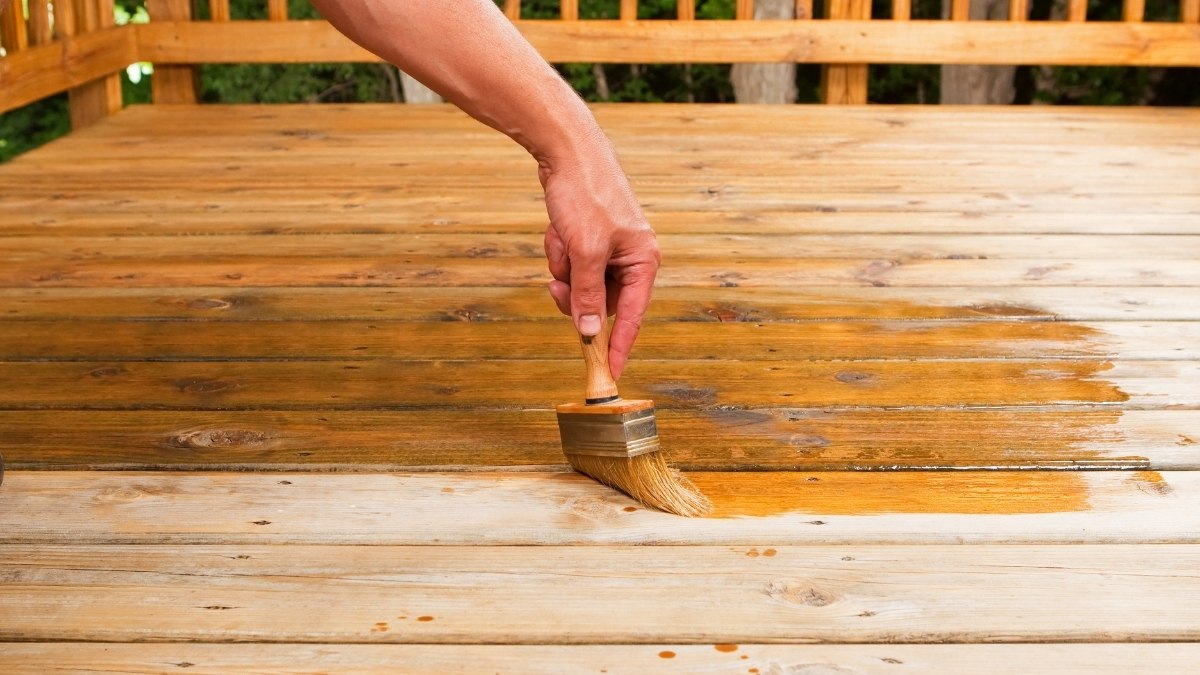
Deck stain cannot correct loose fibers, trapped moisture, biological growth, or failing coatings. It performs best on a sound, clean, dry surface.
Outdoor decks repeatedly absorb and release moisture, causing wood to shrink and swell. Weather exposure can contribute to checking, cracks, raised grain, and mildew. A finish can reduce surface weathering, but only when the wood is properly prepared.
What Deck Stain Contractors Inspect
Structural Condition and Board Damage
Contractors look for loose boards, protruding fasteners, splintering, deep cracks, and soft or decayed areas. Stain cannot stabilize damaged lumber. Boards with advanced rot may require replacement before finishing begins.
The inspection should cover stairs, railings, posts, and the deck’s connection to the house. Water often collects around end grain, fasteners, shaded corners, and poorly drained sections.
Existing Paint or Stain
The current coating shapes the preparation plan. Penetrating stain, solid-color stain, and deck paint age differently. Contractors check whether the finish is fading evenly, flaking, peeling at board edges, or remaining glossy in protected areas.
If the old coating blocks absorption, another penetrating stain may look uneven. Peeling paint or solid stain usually requires more removal than a faded penetrating stain. A test area can show whether the product will absorb and adhere consistently.
Moisture and Drainage
Wood must be dry enough to meet the coating manufacturer’s instructions. A contractor may use a moisture meter and consider recent rainfall, shade, irrigation spray, clogged gaps, and drainage below the deck. Damp boards can interfere with penetration, adhesion, and curing.
Mildew, Algae, Dirt, and Contaminants
Dark discoloration does not always call for a darker stain. Contractors determine whether marks come from mildew, algae, dirt, tannins, rust, or old coating residue. Each condition may require a different treatment.
Professional contractors should adjust water pressure, cleaning products, dwell time, and scrubbing methods to suit the deck’s condition.
Surface Weathering and Porosity
Sun and rain can leave boards gray, fuzzy, or unevenly porous. Contractors inspect whether sanding is needed to remove raised grain, smooth splinters, and expose sound wood. They also check whether boards absorb liquid at different rates, which can predict blotchy color.
A USDA field evaluation assessed 32 deck finishes after 12, 21, and 39 months of outdoor exposure. Water repellency was generally fair at 12 months but had disappeared from almost all finishes by 21 months. The findings do not establish a single maintenance schedule for every deck, but they show why contractors assess actual coating performance instead of relying on age alone.
READ MORE: Top 5 Reasons for Wood Fence Maintenance and Staining Before Summer in Southbury
How Professionals Prepare a Weathered Deck
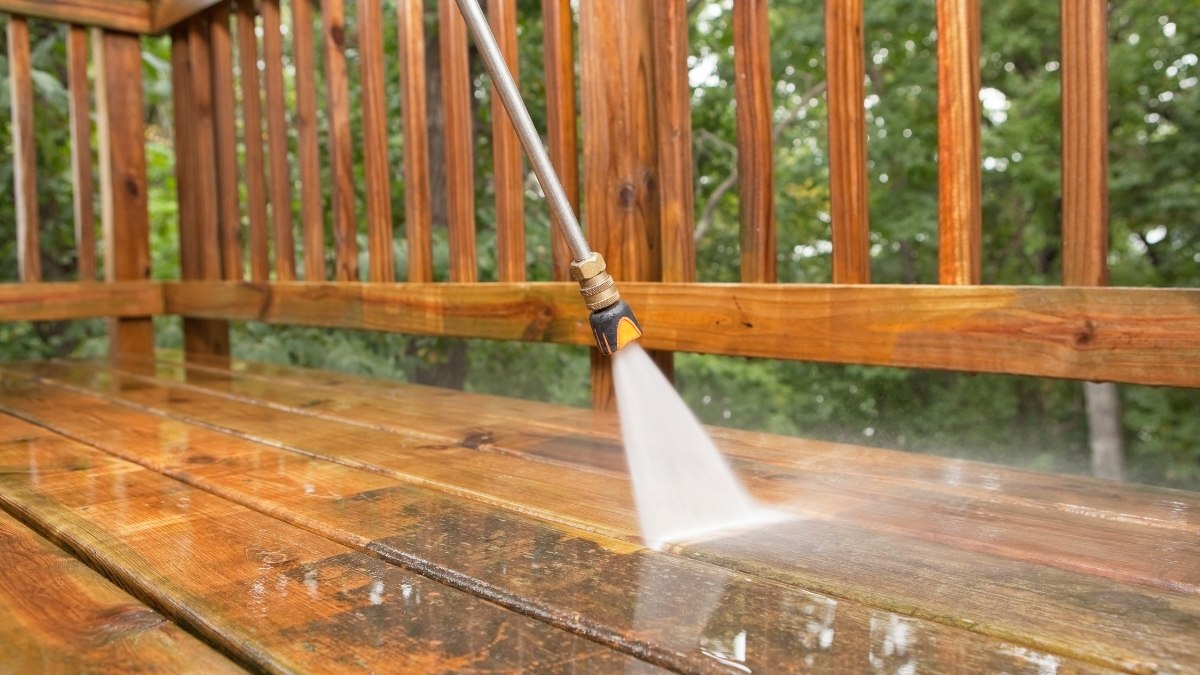
- Document the coating type, repairs, damage, and drainage concerns.
- Secure loose components and replace boards that cannot be restored safely.
- Remove dirt, growth, and contaminants with a wood-appropriate cleaner.
- Strip or sand failing coatings, then feather remaining edges.
- Let the deck dry fully and confirm suitable application conditions.
- Apply a compatible stain or paint at the recommended spread rate.
The sequence may change based on the wood species, coating history, and degree of deterioration. Reputable staining contractors should explain why each preparation step is necessary.
When Deck Painting May Be Better
Stain often suits structurally sound wood that can accept a new finish. Deck painting may be appropriate when homeowners want an opaque appearance or when the existing paint system is compatible with recoating. However, paint will not conceal moisture problems, wood movement, or active peeling for long.
For older homes, coating safety also matters. If a previously painted deck is part of a home built before 1978, sanding or scraping could disturb lead-based paint. The U.S. Environmental Protection Agency recommends that homeowners hire lead-safe certified contractors for renovation, repair, or painting projects in pre-1978 homes. Contractors performing work covered by the RRP Rule must be certified and follow lead-safe work practices.
When to Call Deck Painters Near Me
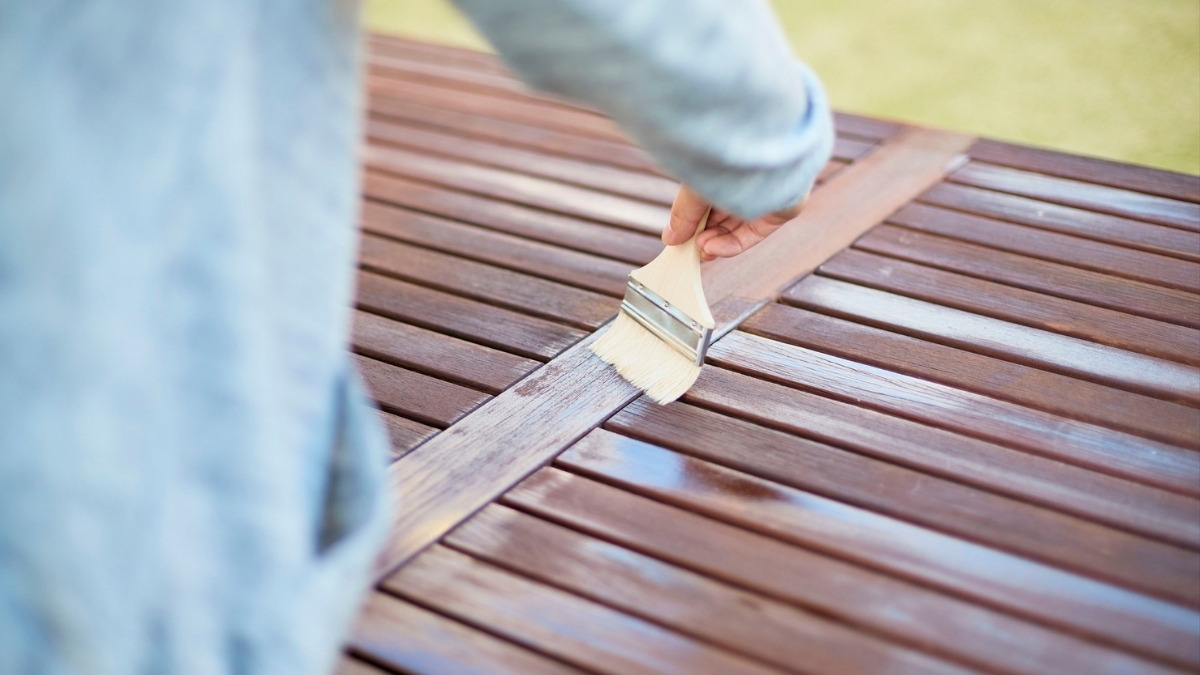
Professional inspection is useful when the deck has widespread peeling, unknown coating layers, soft boards, persistent mildew, uneven repairs, or limited drying time. It also helps when stairs, railings, lattice, and elevated surfaces make preparation difficult or hazardous.
Frequently Asked Questions
Can a weathered deck be stained without sanding?
Sometimes. If the wood is sound, clean, uniformly porous, and free of loose fibers or failing coatings, cleaning may be enough. Sanding becomes more important when the surface is splintered, fuzzy, glossy, or uneven.
Should old deck stain be removed before restaining?
Not always. Removal depends on the existing product, its condition, and the new finish. Loose or incompatible coatings must be removed, while a deck with worn penetrating stain may need only cleaning and light preparation.
How do contractors know whether a deck is dry enough?
They consider weather, shade, airflow, wood condition, and the coating label. Many professionals use a moisture meter rather than judging dryness by appearance.
How often should a deck be restained?
The schedule depends on the stain type, sun exposure, moisture, foot traffic, wood species, and maintenance. Inspect the deck regularly and restain when the color fades, water stops beading, or the wood begins absorbing moisture unevenly.
What happens if deck stain is applied too thickly?
Excess stain may remain sticky, dry unevenly, peel, or develop a blotchy appearance. Most products perform best when applied in thin, even coats according to the manufacturer’s coverage and drying instructions.
Plan Your Deck Staining Project in Southbury, CT
A durable result starts with an honest wood assessment. Southbury House Painting Experts can inspect your deck, identify preparation needs, and recommend appropriate deck staining or deck painting services.
Request a painting quote to plan your project in Southbury, CT.