
What’s In This Guide
Can you put primer over paint? Yes, provided the existing coating is firmly bonded and properly prepared. Primer can improve adhesion and coverage when the old finish is glossy, stained, patched, unevenly porous, potentially incompatible, or difficult to conceal. However, it cannot stabilize loose paint or correct moisture problems beneath the coating.
Quick Facts
- Primer is not automatically required over sound, clean, compatible paint.
- Use primer when adhesion is doubtful, repairs are porous, stains may bleed, or the color change is extreme. It can improve adhesion, seal uneven porosity, block stains, reduce flashing, and help the finish color appear more uniform.
- Correct leaks and dampness, remove peeling paint, and clean away grease, dust, mildew, and other contaminants before applying primer.
- Spot-priming often works for isolated repairs; full priming is better when the whole surface shares the same problem.
- In pre-1978 homes, treat paint disturbance as a lead-safety decision, not ordinary preparation.
What Does Paint Primer Do?
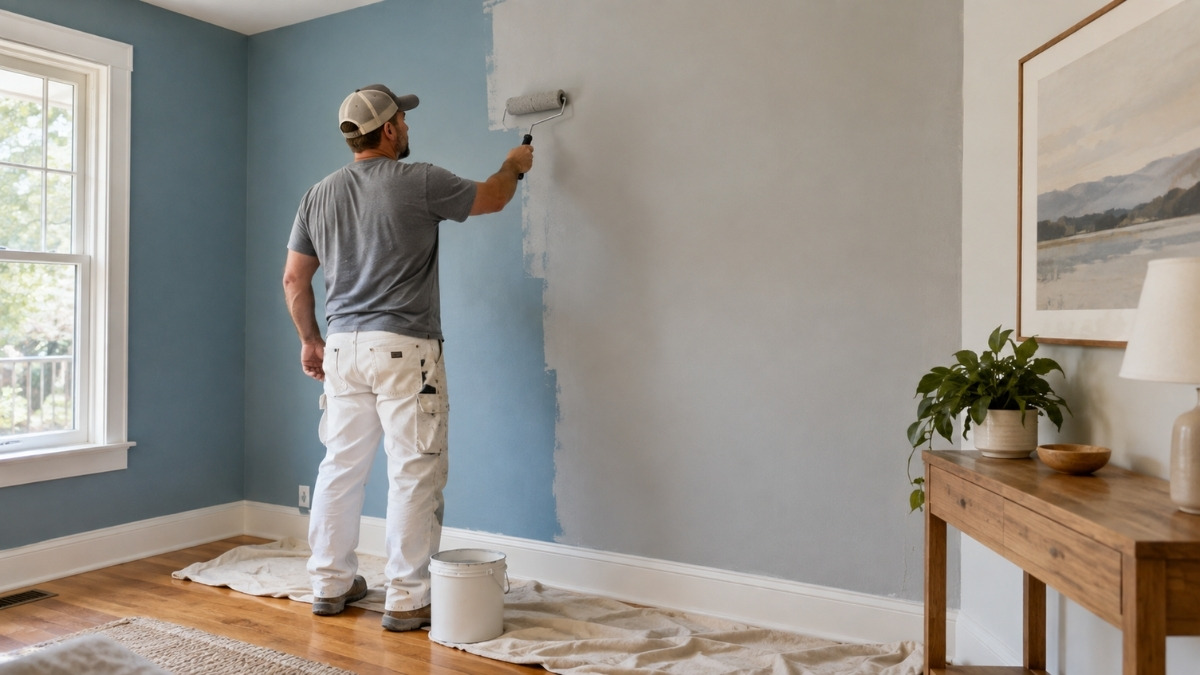
Primer creates a more uniform and predictable surface for the finish coat. It can improve adhesion, seal uneven porosity, block stains, reduce flashing, and promote consistent color. It is a problem-solving coating, not simply a less expensive substitute for paint.
In its guidance on painted exterior woodwork, the National Park Service notes that new paint can adhere effectively to existing paint when the older coats remain firmly bonded and the surface is cleaned and dulled. So, do you have to prime before painting? Not always. The condition of the surface should determine whether primer is necessary.
When Repainting Needs Primer Over Existing Paint
The Existing Paint Is Glossy, Hard, or Unknown
High-sheen enamel on trim, doors, cabinets, or railings may prevent a new water-based finish from bonding properly. Cleaning and scuff-sanding may create enough surface texture for adhesion. A compatible bonding primer can provide added protection when the existing coating is unknown or a test patch does not adhere well.
Stains Keep Returning
Water marks, smoke residue, ink, tannins, and some household contaminants can migrate through ordinary wall paint. First correct the stain source, especially a leak. Then use a stain-blocking primer suited to the contaminant and substrate. A cosmetic coat alone may let the discoloration reappear.
Repairs and Bare Areas Absorb Differently
Joint compound, exposed drywall paper, plaster repairs, bare wood, and sanded-through areas absorb coatings differently from the surrounding painted surface. Without primer, these areas may appear dull or patchy, a defect commonly called flashing. Spot-prime isolated repairs, or prime the entire wall when the repairs are widespread.
The Color Change Is Dramatic
Primer can improve color consistency when covering a very dark or saturated color with a lighter finish or making another dramatic color change. A tinted primer may reduce the number of finish coats required, but coverage still depends on the topcoat, selected color, application method, and surface condition.
When You Can Usually Skip Primer
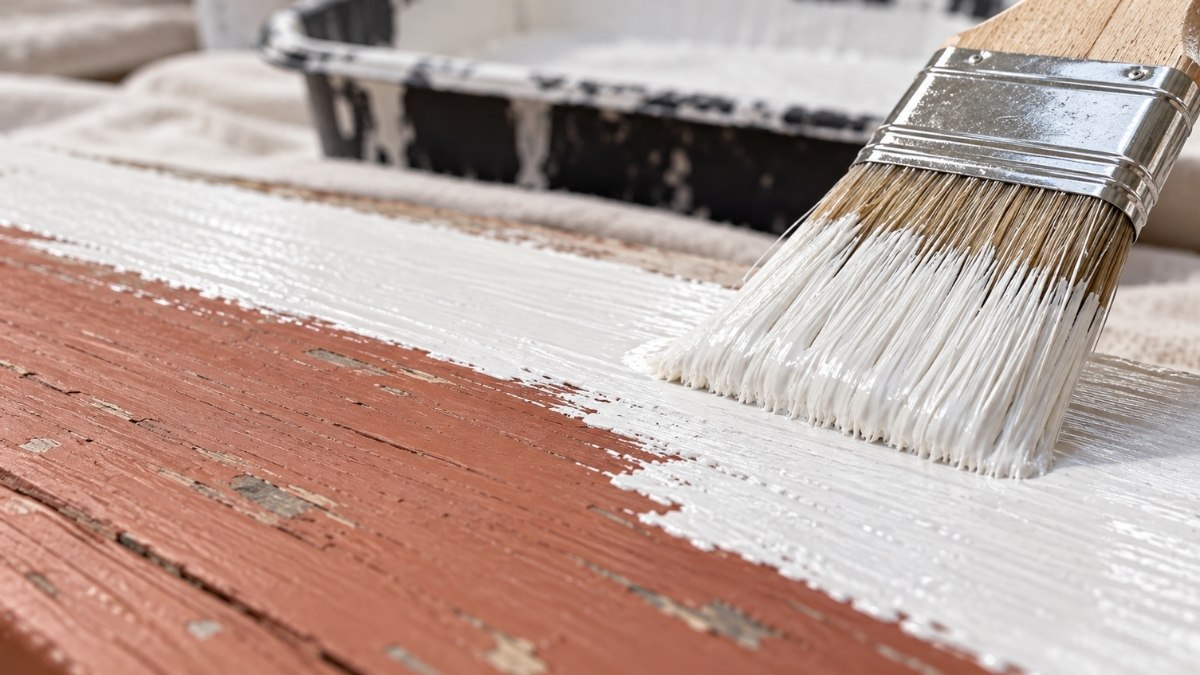
You can often repaint without primer when the existing paint is clean, dry, firmly bonded, compatible with the new coating, and either dull or lightly scuff-sanded. The surface should be free of active stains, exposed repairs, chalking, grease, mildew, and peeling edges. Test a small, inconspicuous area when the existing coating is unknown.
How to Decide and Prepare in 6 Steps
- Inspect the entire surface. Look for peeling, blisters, cracks, chalk, glossy areas, stains, repairs, and moisture damage.
- Check the home's age before sanding. The EPA reports that approximately three-quarters of U.S. homes built before 1978 still contain some lead-based paint. Under the Renovation, Repair and Painting Rule, firms performing covered work in pre-1978 housing and child-occupied facilities must be certified, and covered renovations must be performed or directed by certified renovators who follow lead-safe work practices.
- Correct the cause of the paint failure. Repair leaks, condensation, and other sources of dampness before applying a new coating. Guidance from the USDA Forest Products Laboratory emphasizes that controlling moisture is critical to paint performance on wood surfaces.
- Clean before sanding or abrading. Remove dust, grease, soap film, and other residue using a cleaning method appropriate for the surface, then allow it to dry completely.
- Prime for the specific problem. Choose a compatible bonding, stain-blocking, drywall, masonry, metal, or wood primer, and follow the product label for preparation, drying, ventilation, and recoating.
Spot-Prime or Prime the Whole Surface?
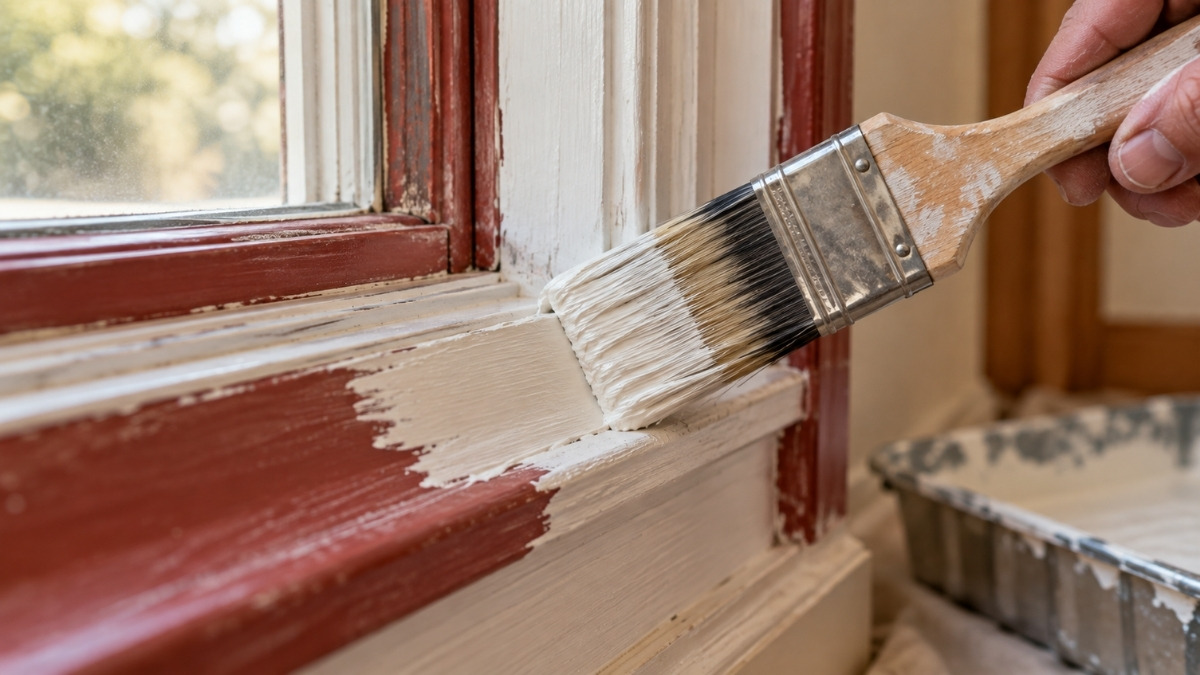
Spot-priming is efficient when only nail holes, patches, bare spots, or one isolated stain need treatment. Full priming makes sense when sheen, porosity, staining, or adhesion concerns affect most of the surface. Feather the spot primer slightly beyond each repair so the finish coat transitions smoothly.
Common Primer Choices by Problem
- Bonding primer: for slick, hard, or questionable existing coatings after proper cleaning and abrasion.
- Stain-blocking primer: for water marks, smoke residue, tannin bleed, ink, or other discoloration that may migrate through the finish coat.
- Drywall or porous-surface primer: for new joint compound, paper, plaster repairs, or uneven absorption.
- Substrate-specific primer: for bare wood, masonry, or metal when required by the substrate condition or the finish-coat manufacturer.
Frequently Asked Questions
Can you put primer over paint?
Yes. Clean the surface, remove loose material, dull gloss as needed, and select a primer designed for the coating and problem. Primer should be applied to a sound surface, not one with active peeling or unresolved moisture.
Do you have to prime before painting every time?
No. Sound, clean, compatible paint can often accept another finish coat without primer. Use primer when there are specific concerns involving adhesion, stains, uneven porosity, repairs, or a dramatic color change.
Will primer stop peeling paint?
Not by itself. Peeling signals a failed bond, contamination, moisture, or another underlying problem. Remove failed material and correct the cause before priming and repainting.
Does primer guarantee one-coat coverage?
No. Primer improves the starting surface, but coverage still depends on the color, sheen, product, film thickness, and application method. Follow the coating manufacturer’s recommendations instead of assuming one finish coat will be sufficient.
Can primer be left unpainted?
Usually not. Most primers are designed as a base coat, not a finished surface. Apply the finish coat within the manufacturer’s recommended recoat window.
Plan Your Painting Project
A careful surface assessment can prevent unnecessary priming and reduce the risk of premature paint failure. Southbury House Painting Experts can evaluate existing paint, repairs, stains, and adhesion concerns, then recommend preparation that fits the surface. Get a free estimate to plan your repainting project in Southbury, CT.