
What’s In This Guide
- What Temperature Is Safe For Exterior Painting?
- Why Does Weather Affect Paint Adhesion?
- How Should Homeowners Schedule An Exterior Painting Project?
- What Problems Happen When Painting Starts Too Soon?
- What Local Details Can Change The Painting Plan?
- How Can You Turn The Estimate Into A Clear Project Plan?
- Frequently Asked Questions (FAQs)
- Plan Your Exterior Painting Project With Confidence
Exterior painting temperature isn’t determined by air temperature alone. Surface temperature often matters just as much. In Southbury, CT, changing seasonal conditions make careful scheduling an important part of any exterior painting project.
Knowing when conditions are suitable helps protect your investment by reducing the risk of premature paint failure and extending the life of the finished coating.
Quick Facts
- Exterior paint performs best when the surface, air, and overnight forecast all support proper curing in Southbury, CT.
- Cold snaps, damp siding, direct sun, and falling evening temperatures can all shorten the safe painting window.
- Most exterior projects need dry surfaces, stable weather, and enough daylight for prep, coating, and early cure time.
- National Weather Service forecasts can help homeowners check temperature, humidity, and rain timing before booking exterior work.
- Professional scheduling matters because many paint failures begin before the first coat is ever applied.
What Temperature Is Safe For Exterior Painting?
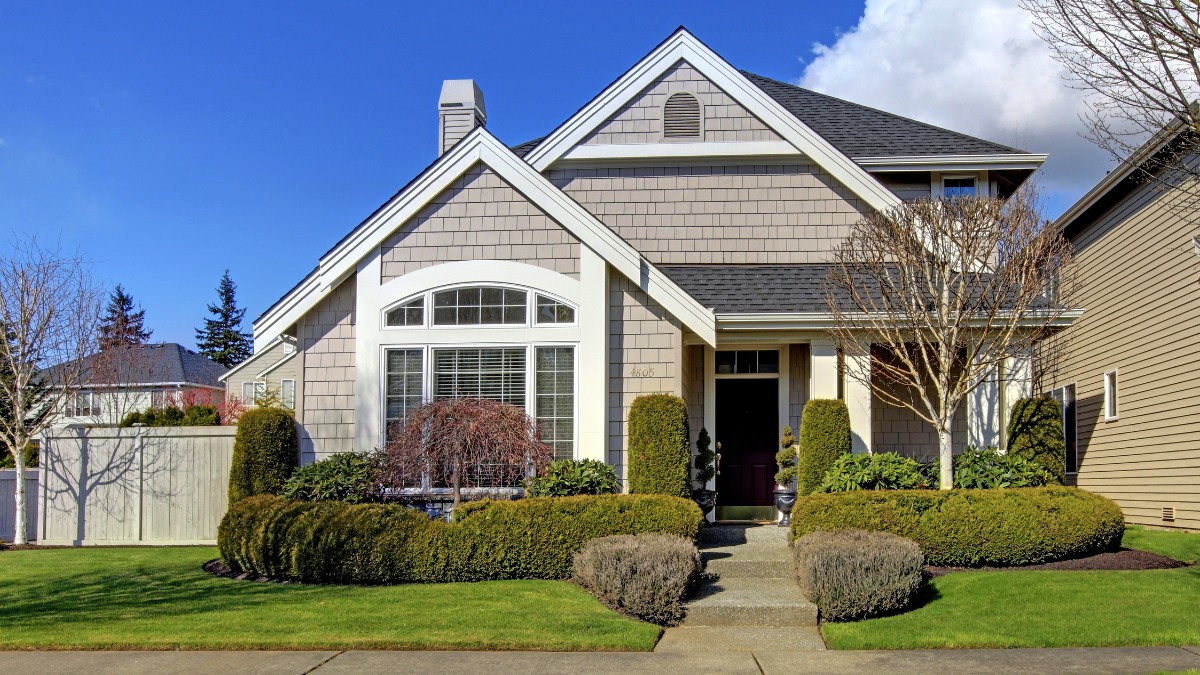
Exterior painting is safest when the coating, surface, and forecast match the paint manufacturer’s application range.
Understanding the right temperature for painting outside helps homeowners avoid premature paint failure and achieve a longer-lasting finish. In Southbury, CT, homeowners should look beyond the afternoon high and check the overnight low, humidity, and rain window.
The temperature shown in a weather app is only one part of the decision. Siding can stay cooler than the air after a cold night, shaded trim can hold moisture, and late-day painting can fail if temperatures drop before the coating begins to cure.
- Check the expected high and overnight low.
- Confirm the siding is dry before priming or painting.
- Avoid painting just before rain, heavy dew, or a sharp temperature drop.
- Give patched and scraped areas enough prep time before finish coats.
Why Does Weather Affect Paint Adhesion?
Paint bonds best when the surface is clean, dry, and stable. Weather affects each of those conditions, so Southbury, CT, homeowners should treat temperature as part of a larger prep checklist.
Cold weather can slow drying. High humidity can keep moisture in siding and trim. Direct sunlight can cause paint to skin over too quickly, especially on darker colors. The safest schedule gives the crew enough time to wash, scrape, prime, and coat without rushing the cure.
Older homes also need care before sanding or scraping. Lead-safe practices matter when painted surfaces may date from before 1978.
How Should Homeowners Schedule An Exterior Painting Project?

A successful painting schedule starts with the condition of the surface, followed by the weather forecast and crew availability. Monitoring exterior painting temperatures, including daytime highs and overnight lows, helps determine the safest window for painting.
- Walk the exterior and note peeling paint, chalking, bare wood, soft trim, mildew, and failing caulk.
- Check shaded walls and lower trim for lingering moisture after rain.
- Use National Weather Service forecasts to review rain probability, overnight lows, and humidity trends.
- Plan prep before finish coats, especially when repairs, primer, or caulk need cure time.
- Ask the painter how the schedule changes if a cold front or wet pattern appears.
MORE ON THIS TOPIC: The 10 Best Exterior Paint Colors for Apartment Buildings in 2025
What Problems Happen When Painting Starts Too Soon?
Rushed exterior painting can look acceptable at first and still fail early. The most common warning signs are peeling, blistering, uneven sheen, and premature cracking around joints or trim.
Moisture is one of the biggest hidden causes of exterior paint failure. Trapped moisture can create problems inside and outside a home. Exterior paint should protect the surface, not lock active moisture under a new coating.
- Blistering often points to moisture, heat, or poor adhesion.
- Peeling can show that old coating, dust, or dampness blocked the bond.
- Uneven color can happen when areas dry at different speeds.
- Failed caulk can let water reach trim and siding edges.
What Local Details Can Change The Painting Plan?
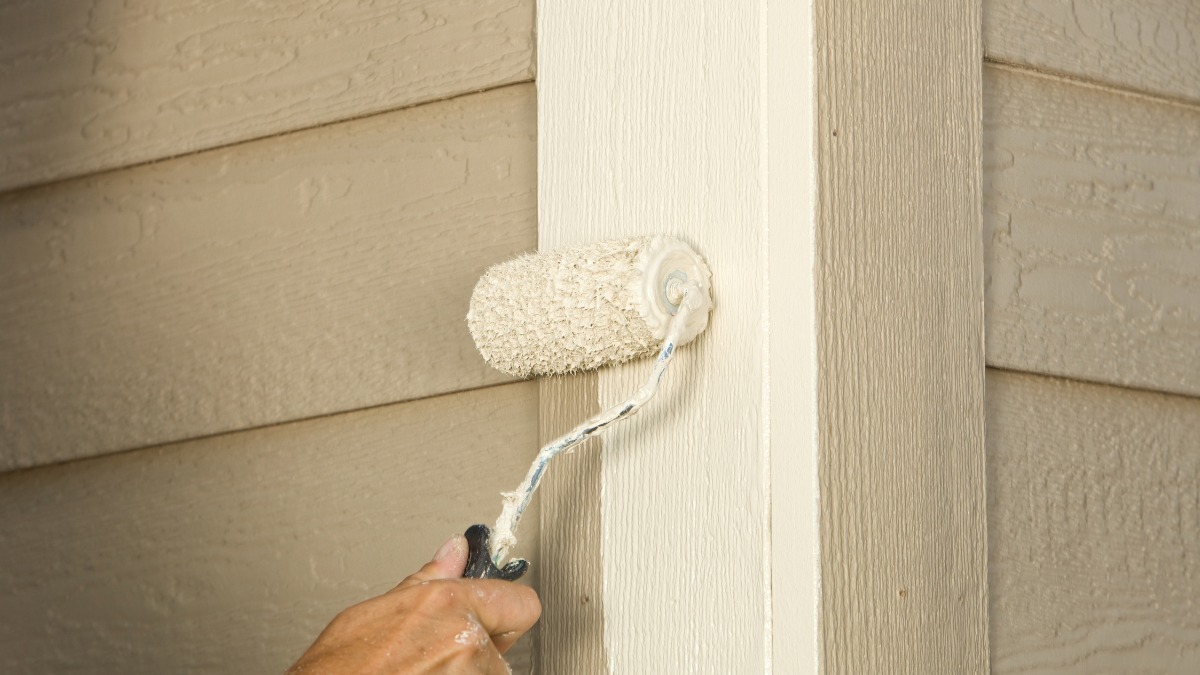
Local conditions can change the best painting plan even when two homes need the same basic service. Age, shade, moisture exposure, trim condition, ventilation, and daily use all affect prep and product decisions.
Homeowners should mention details that may not be obvious during an initial estimate. Recent leaks, old repairs, peeling areas, existing coatings, pets, children, work-from-home schedules, and access limits can all affect the order of work.
- Note areas that peel, stain, or collect moisture first.
- Identify exterior walls or areas that are hardest to access.
- Ask how the painter will protect nearby surfaces before prep starts.
- Confirm whether repairs, primer, caulk, or specialty cleaning are included.
How Can You Turn The Estimate Into A Clear Project Plan?
A detailed estimate should become a practical project plan before work begins. That plan should explain scope, schedule, products, surface preparation, protection, cleanup, and the final walkthrough.
A clear plan also helps prevent scope drift. When the homeowner and painter agree on which surfaces are included, which conditions require extra repair, and how weather or drying time will be handled, the project is easier to manage. Before approving the project, ask your painter to explain the next steps in plain language.
The answer should make the timeline, access needs, and decision points easy to understand.
Frequently Asked Questions (FAQs)
Can you paint outside in Southbury, CT, in early spring?
Yes, but only when the paint product, surface temperature, and overnight forecast support the work. Early spring weather can change quickly, so contractors often need flexibility to schedule around cooler temperatures and moisture.
Is the afternoon high enough to schedule exterior painting?
No. Air temperature is only one factor. Surface temperature, shade, humidity, wind, the chance of rain, and overnight lows should also be considered to ensure the paint cures properly.
Should damp siding be painted if the forecast is clear?
No. The siding should be completely dry before painting. Moisture trapped beneath the coating can reduce adhesion and increase the risk of peeling, blistering, or premature paint failure.
How does weather affect how long exterior paint lasts?
Weather plays a major role in paint performance. Excess moisture, frequent temperature swings, and prolonged sun exposure can all affect how well paint adheres and how long the finish remains in good condition.
How far in advance should I schedule an exterior painting project?
It’s best to schedule several weeks before your preferred start date, especially during late spring and summer when demand is highest. Booking early gives you more flexibility to choose the best weather window.
Plan Your Exterior Painting Project With Confidence
Southbury House Painting Experts helps homeowners turn an idea into a well-organized painting project with a clear scope of work, realistic timeline, and durable finish. Before work begins, the team evaluates your home’s exterior, surface conditions, and project goals to recommend the right preparation, products, and application methods for long-lasting results.
With a detailed estimate and project plan, you’ll know what to expect from surface preparation through the final walkthrough, making it easier to move forward with confidence.