
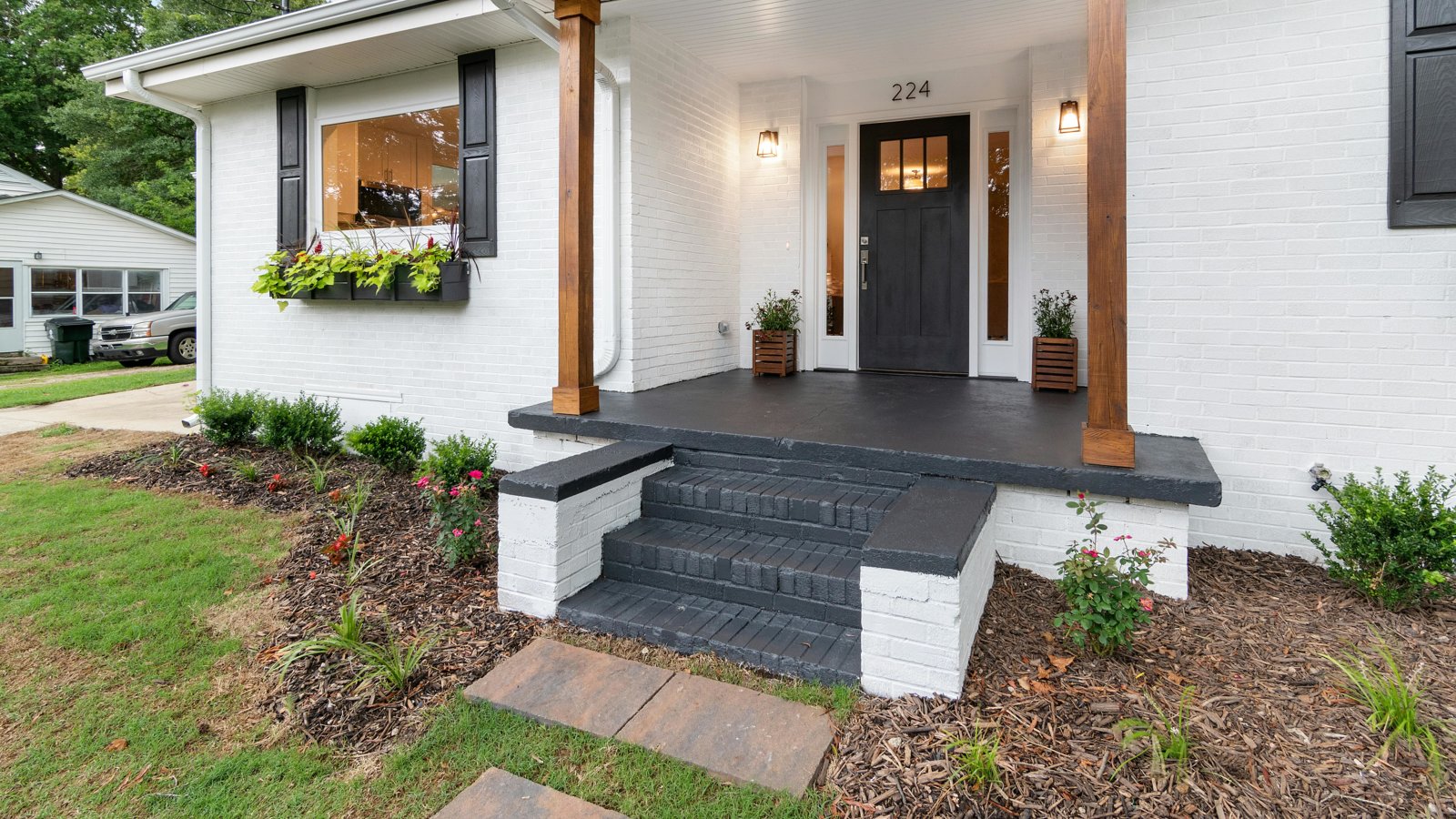
Brick homes carry a timeless look in Southbury neighborhoods, especially older Colonials and traditional New England properties. Still, aging red brick can start to feel dark, faded, or visually heavy over time.
Many homeowners searching for a refreshed exterior end up comparing whitewash vs limewash because both finishes soften brick without completely hiding its character.
The challenge is that these two finishes behave very differently on exterior masonry. Connecticut weather, brick condition, previous coatings, and long-term maintenance all influence which option works best.
A finish that looks beautiful online may not hold up well on older brick exposed to freeze-thaw cycles, moisture, and seasonal humidity. The right choice starts with the brick, not the trend.
What’s In This Guide
Quick Facts
- Whitewash looks brighter and more controlled.
- Limewash looks softer, aged, and matte.
- Limewash suits older porous brick.
- Whitewash can cover more red brick.
- Professional prep matters in Connecticut weather.
What Is Whitewash Exterior Brick?
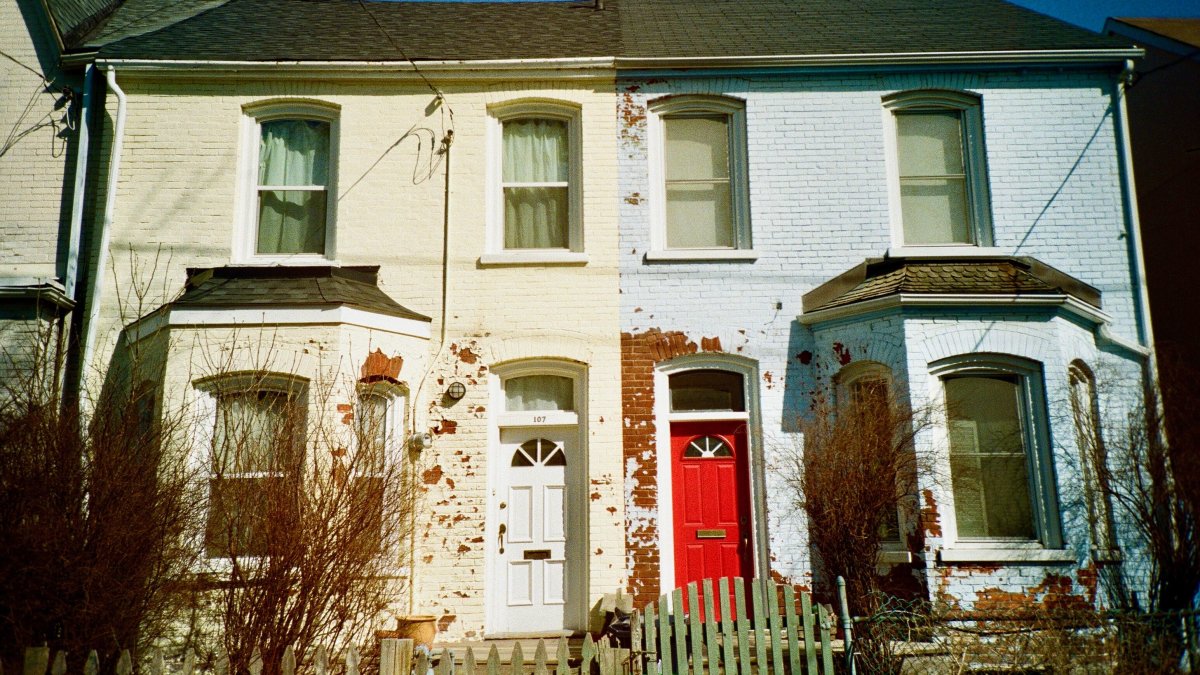
Whitewashing uses diluted paint or masonry coatings to create a softer, partially transparent appearance on brick. Unlike solid paint, whitewash exterior brick still allows some texture and natural variation to remain visible.
Many homeowners choose this finish when they want brighter curb appeal without fully covering the original brick surface.
How Whitewash Looks on Red Brick
A whitewash red brick exterior typically creates a cleaner and more controlled appearance than limewash. The amount of brick visibility depends on how heavily the coating is applied.
Some homeowners prefer a subtle wash that lightly tones down red brick. Others want a brighter whitewash brick house with stronger coverage and less color showing through underneath.
This finish often works well on:
- Updated Colonial homes
- Transitional home styles
- Brick homes with inconsistent coloration
- Homes needing stronger curb appeal contrast
Coverage and Permanence
Whitewash tends to be more permanent because many products contain paint binders that adhere tightly to masonry surfaces. Painted masonry often requires repainting every three to five years, depending on weather exposure and coating quality.
That maintenance cycle matters in Connecticut, where moisture, snow, and winter temperature swings can stress exterior surfaces.
What Is Limewash for Brick?
Limewash is a mineral-based masonry finish made primarily from crushed limestone and water. Instead of forming a thick surface film, it penetrates porous brick and creates a matte, chalky appearance.
Historically, limewash was used on masonry long before modern paint systems became common. It remains popular for homeowners who want a softer, aged finish that complements older architecture.
How Limewash Looks on Older Brick
Limewash creates more movement and variation than whitewash. The finish develops a naturally weathered appearance that works especially well on historic-style homes.
Because it absorbs differently across the masonry surface, the final result often appears textured and dimensional instead of uniform.
Older homes in Southbury may benefit from this softer finish because it respects the character of aged brick rather than masking it completely.
Breathability and Masonry Compatibility
One major advantage of limewash is breathability. Brick naturally absorbs and releases moisture. Mineral-based finishes help support that process rather than trapping water beneath the coating.
Vapor-permeable coatings help reduce moisture retention risks within masonry systems. That becomes especially important on older brick homes with aging mortar joints or previous moisture exposure.
Whitewash vs Limewash: Key Differences Homeowners Should Know
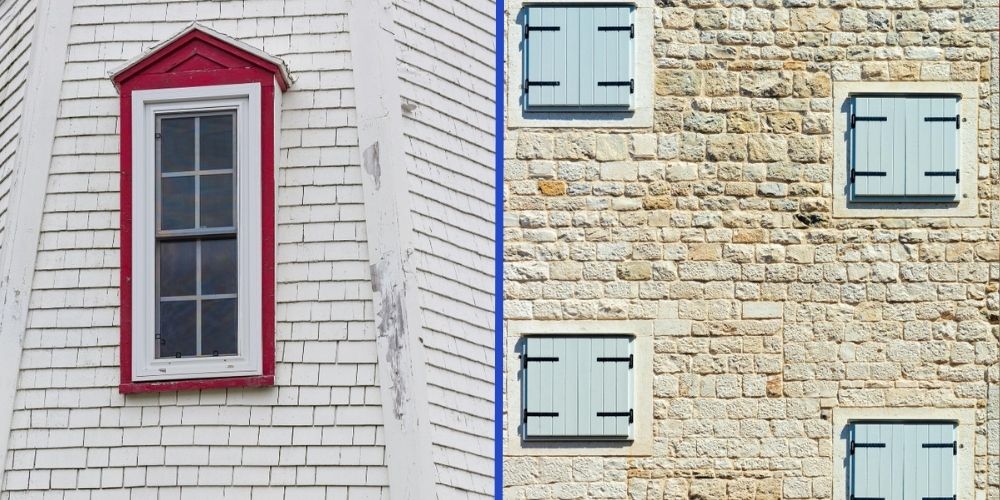
The debate around whitewash vs limewash often comes down to appearance, maintenance, and masonry compatibility.
|
Feature |
Whitewash |
Limewash |
|
Appearance |
Cleaner and brighter |
Soft and weathered |
|
Coverage |
Adjustable, more uniform |
Natural variation |
|
Finish |
Slightly paint-like |
Chalky and matte |
|
Permanence |
More permanent |
Naturally wears over time |
|
Best For |
Modernized curb appeal |
Historic and older homes |
Whitewash exterior brick usually creates a more polished appearance, while limewash feels more organic and aged.
Homeowners should also consider how much maintenance they are comfortable with long-term.
| MORE ON THIS TOPIC: Eco-Friendly Painting for Healthier Homes: Low-VOC, Natural & Bio-Based Paints Explained
Which Finish Works Better for Older Brick Homes in Southbury?
Older masonry needs careful evaluation before any coating is applied. Bricks that already show cracking, spalling, trapped moisture, or failing mortar may react poorly to improper prep or incompatible coatings.
That is why many homeowners searching for an exterior painting contractor near me should ask whether the contractor can evaluate masonry condition and recommend compatible finish options before applying whitewash or limewash.
Incorrect masonry treatments can contribute to long-term deterioration when moisture becomes trapped inside the wall system.
When Limewash May Be the Better Choice
Limewash often performs better on:
- Older porous brick
- Historic-style homes
- Traditional New England architecture
- Homes with softer masonry materials
- Brick that needs a more breathable finish
Its natural finish also pairs well with uneven or aged brick surfaces because imperfections blend more naturally into the final appearance.
When Whitewash May Be Better
Whitewash may be a stronger fit when homeowners want:
- Brighter curb appeal
- More visual consistency
- A cleaner, updated look
- Reduced red brick visibility
- More design control
A whitewash brick house can modernize curb appeal without fully eliminating brick texture.
Frequently Asked Questions (FAQs)
Can whitewash or limewash hide damaged brick?
No. These finishes can soften the appearance of brick, but they should not be used to cover structural issues, spalling, loose mortar, or moisture damage. Repairs should come first.
Which finish is easier to refresh later?
Limewash is usually easier to refresh because it naturally fades over time. Whitewash may require more careful repainting or touch-ups to keep the coverage consistent.
Will limewash change color as it dries?
Yes. Limewash often looks darker when wet and lightens as it cures. Testing a small area first helps homeowners understand the final appearance before committing to the full exterior.
Is whitewash a good choice for brick with heavy stains?
It can help reduce the appearance of stains, but stains should be cleaned and evaluated first. Moisture stains, mildew, or efflorescence may return if the source is not fixed.
Should brick be sealed after whitewashing or limewashing?
Not always. Some sealers can trap moisture in masonry. Homeowners should use only masonry-compatible products and ask a professional before sealing exterior brick.
Choose the Right Brick Finish With Professional Guidance
Southbury House Painting Experts provides residential interior and exterior painting services in Southbury, CT, including exterior painting guidance for homeowners planning curb appeal updates.
Homeowners considering exterior brick updates can contact the team to discuss finish options, surface prep, and whether whitewash or limewash is appropriate for their home.