


- Free Estimates
✔ Indoor air can be 2 to 5 times more polluted than outdoor air
✔ Low-VOC paints reduce harmful emissions without sacrificing performance
✔ Natural paints use plant and mineral ingredients with minimal synthetic additives
✔ Bio-based paints rely on renewable agricultural resources to lower environmental impact
✔ Proper surface preparation and ventilation are essential for both safety and durability
Indoor air pollution is not just an environmental talking point. It is a household issue. The U.S. Environmental Protection Agency (EPA) reports that indoor air can be two to five times more polluted than outdoor air, and sometimes even higher. One major contributor is conventional paint, which releases volatile organic compounds into the air during and after application.
Eco-friendly painting reduces those emissions. Low-VOC, natural, and bio-based paints are designed to improve indoor air quality while delivering the durability homeowners expect. If you are considering repainting your home in Southbury, understanding these options helps you make a healthier, more informed decision.

Volatile organic compounds, or VOCs, are chemicals that evaporate at room temperature. In paint, VOCs help with application and drying. Once applied, they release gases into the air through a process called off-gassing.
According to the EPA, exposure to VOCs can cause health concerns, including headaches, dizziness, respiratory irritation, and nausea. Long-term exposure at high levels may affect the liver, kidneys, and central nervous system.
The strong “new paint smell” is a sign of these compounds evaporating into your indoor air. Off-gassing can continue for days or weeks after painting, especially in poorly ventilated spaces.
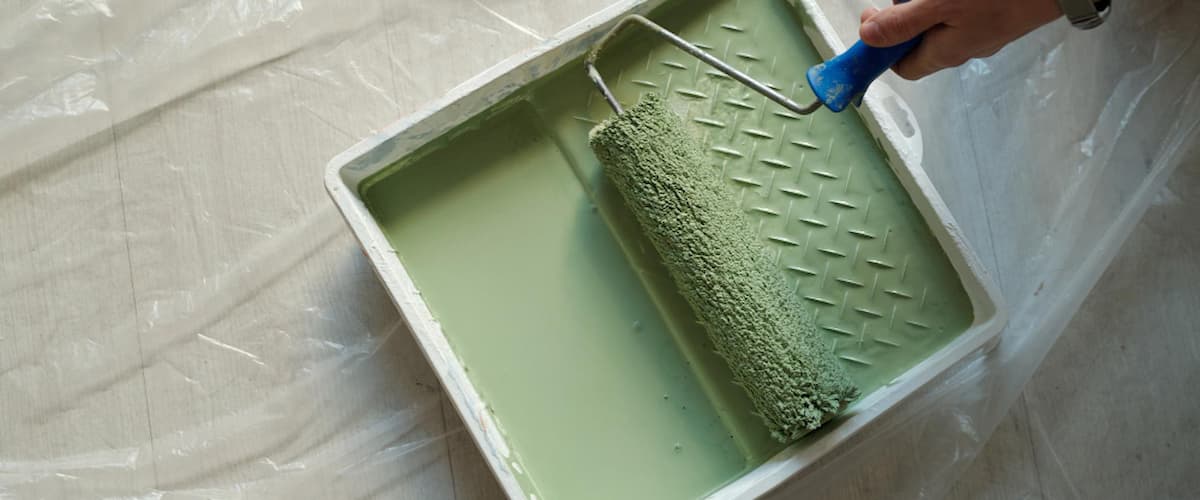
Low-VOC paint is formulated with reduced levels of volatile organic compounds. VOC content is measured in grams per liter. Federal limits for many flat interior paints are typically 50 grams per liter or less. Zero-VOC paints generally contain fewer than 5 grams per liter, although adding color tint can slightly increase that number.
The primary benefit is improved indoor air quality. Low-VOC paints release fewer harmful emissions during application and drying. That means reduced odor and a safer environment for children, pets, older adults, and anyone with asthma or allergies.
Modern low-VOC interior paints perform far better than earlier generations. Advances in acrylic resin technology have improved adhesion, color retention, and washability. Many low-VOC paints now match or exceed the durability of traditional formulas.
For most residential projects, low-VOC paint offers the best balance between health protection, finish quality, and long-term performance.

Natural paints take environmental responsibility a step further. Instead of relying primarily on synthetic binders and petroleum-based ingredients, these products use materials such as clay, chalk, lime, casein, linseed oil, and plant-based pigments.
Because they contain minimal synthetic additives, natural paints typically have very low toxicity levels. Many are biodegradable and emit little to no harmful fumes.
They are often chosen for:
Lime and clay paints, for example, allow walls to breathe and can help regulate moisture, which may reduce the risk of mold growth in certain environments.
However, natural paints may have limitations. Color selections are often more limited. Application techniques can differ from standard latex paints. Surface preparation must be done carefully to ensure proper adhesion.
For homeowners focused on maximum natural content, these paints offer a specialized but effective option.

Bio-based paints are formulated using renewable agricultural resources such as soy oil, castor oil, and other plant-derived resins. The goal is to reduce reliance on petroleum-based ingredients while maintaining performance.
The United States Department of Agriculture supports the use of renewable materials through its BioPreferred Program, which encourages the adoption of bio-based products across industries.
From a performance standpoint, many bio-based paints function similarly to traditional latex paints. They provide strong adhesion, broad color options, and durable finishes suitable for interior walls, trim, and even some exterior surfaces.
The environmental benefit lies primarily in manufacturing. Using renewable resources lowers fossil fuel consumption and can reduce the overall carbon footprint of production. For homeowners who prioritize sustainability alongside indoor air quality, bio-based paints represent a practical middle ground.
| Feature | Low-VOC Paint | Natural Paint | Bio-Based Paint |
|---|---|---|---|
| Primary Focus | Reducing harmful emissions during and after application | Using plant and mineral ingredients with minimal synthetic content | Using renewable raw materials to reduce environmental impact during production |
| VOC Content | Low to zero VOC levels | Very low to minimal VOCs | Reduced VOCs, varies by formulation |
| Main Ingredients | Synthetic binders with fewer volatile compounds | Clay, lime, chalk, plant oils, milk protein, mineral pigments | Soy, castor oil, plant resins, and other agricultural materials |
| Environmental Impact | Improves indoor air quality | Minimizes synthetic chemical use | Reduces reliance on petroleum and fossil fuels |
| Color & Finish Options | Wide range of colors and finishes | More limited palette | Wide range, similar to traditional latex |
| Durability | High, comparable to conventional paint | Moderate, depends on formulation | High, comparable to conventional paint |
| Best For | Homeowners prioritizing indoor air quality | Those seeking traditional, chemical-minimal materials | Sustainability-focused homeowners |
| Ideal Priority | Health and air quality | Natural ingredient sourcing | Renewable and sustainable production |
Bottom Line:
If indoor air quality is your main concern, zero or ultra-low VOC paint is typically sufficient. If ingredient sourcing or sustainability is your top priority, natural or bio-based paints may better align with your goals.
Selecting the right eco-friendly paint involves more than reading the label.
Bedrooms, nurseries, and home offices benefit most from zero or ultra-low VOC paint. Kitchens and bathrooms require moisture-resistant formulas designed to withstand humidity.
Look for the grams per liter listed on the can. Confirm whether the number reflects the base paint only or includes tint. Lower numbers indicate fewer emissions.
Certifications provide additional assurance. GREENGUARD Gold indicates low chemical emissions for indoor air quality. Green Seal sets environmental standards for performance and safety. USDA BioPreferred identifies qualifying bio-based content.
High-traffic areas such as hallways and living rooms require washable, scrubbable finishes. Choose the appropriate sheen for the surface, whether flat, eggshell, satin, or semi-gloss.
Even the healthiest paint will fail without proper preparation. Cleaning, patching, sanding, and priming ensure the coating adheres correctly and lasts longer. A professional application can help ensure both health and performance goals are met.
A common misconception is that environmentally friendly paint sacrifices durability. That was sometimes true years ago, but it is largely outdated today. Advances in water-based acrylic formulations have significantly improved stain resistance, color retention, and washability. Many low-VOC interior paints now stand up well to everyday wear in family homes. The key factor is product selection and proper application, not simply whether the paint is labeled eco-friendly.
Paint labeled zero-VOC or ultra-low VOC is generally the safest choice for indoor air quality. These products contain fewer than 5 grams of volatile organic compounds per liter and emit minimal emissions during drying.
With conventional paint, fumes can linger for several days, and off-gassing may continue for weeks. Low-VOC paint significantly reduces this timeline. In well-ventilated spaces, most odors from low-VOC paint fade within 24 to 48 hours.
Yes. Reducing airborne chemical irritants can help minimize respiratory discomfort. While no paint can eliminate all triggers, low-VOC and zero-VOC paints reduce exposure to compounds known to aggravate sensitive airways.
Natural paints can be durable when properly applied, but they may not always match high-performance acrylic latex paints in stain resistance or scrubbability. They are best suited for low- to moderate-traffic areas unless specifically formulated for heavy use.
Eco-friendly paints typically cost 10 to 25 percent more than standard options. However, improved durability and healthier indoor air quality often justify the modest price difference.
Eco-friendly painting is not a trend. It reflects a broader understanding of how indoor environments affect health. With indoor air often more polluted than outdoor air, reducing VOC exposure during home improvement projects is a practical step toward a healthier space.
Low-VOC paints reduce harmful emissions. Natural paints minimize synthetic ingredients. Bio-based paints support renewable sourcing. Each option offers a way to improve indoor air quality without sacrificing performance.
For homeowners in Southbury looking to upgrade their home with safer, environmentally responsible paint solutions, Southbury House Painting Experts can help you select and apply the right eco-friendly products for lasting results and a healthier living environment.